

January 19, 2026
When people think about nuclear energy, electricity generation usually comes to mind first. And for good reason - nuclear power provides clean, reliable electricity around the clock. But in Canada, nuclear technology has also played a quieter, yet profoundly important role for decades: supporting modern medicine.
As Energy Alberta advances the proposed Peace River Nuclear Power Project, it’s worth understanding that nuclear facilities can serve purposes beyond clean energy.
One example is medical isotopes.
Canada’s Global Leadership in Medical Isotopes
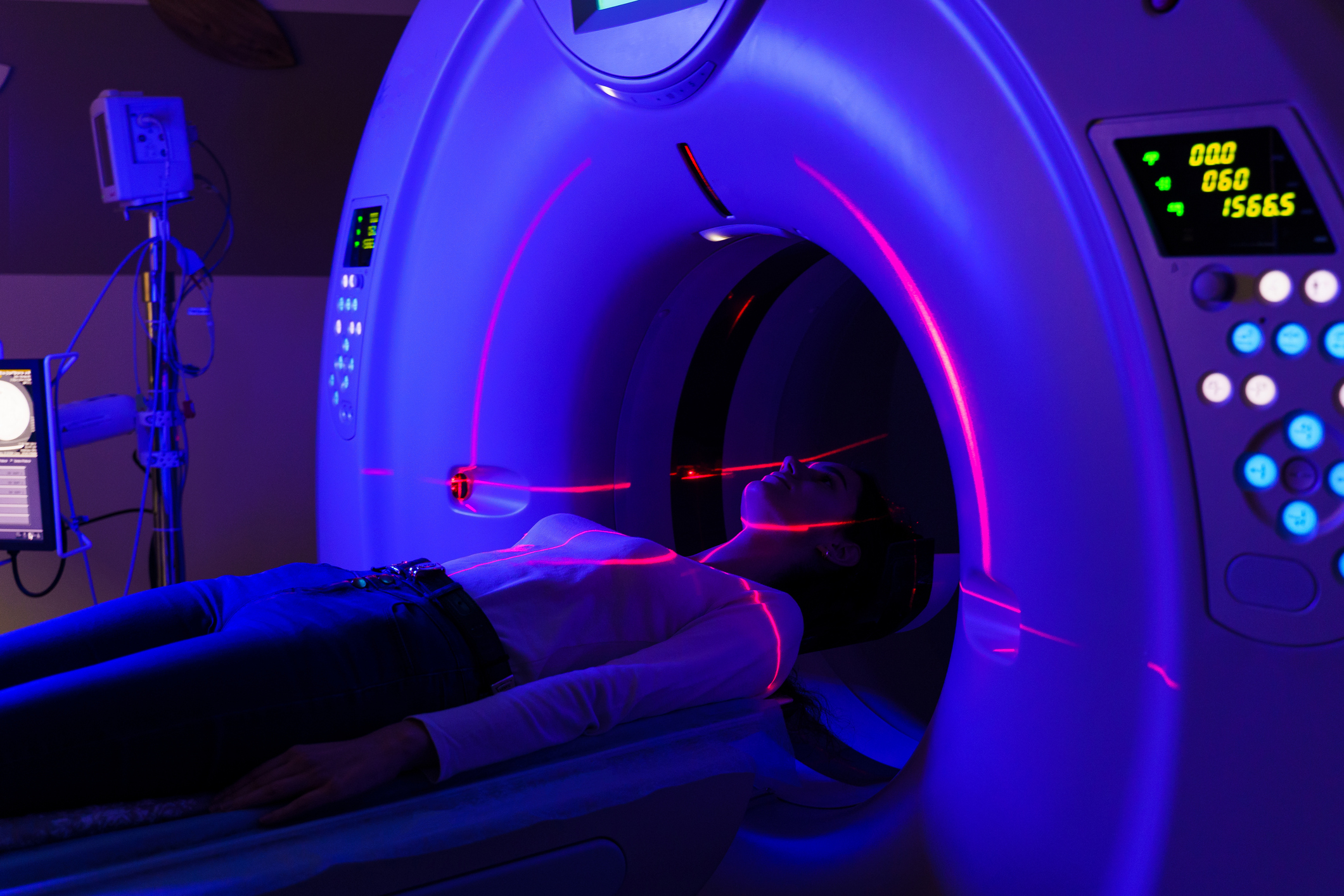
Canada is already a world leader in the development and production of medical isotopes - materials used every day to diagnose and treat disease. Globally, more than 40 million medical procedures are performed each year using isotopes, including diagnostic imaging and radiation therapy. These tools are essential in modern health care, particularly in the fight against cancer.
In Canada alone, more than 247,000 people are diagnosed with cancer each year, and two in five Canadians will face cancer in their lifetime. Precision radio pharmaceuticals - which rely on isotopes - are increasingly important in early detection, targeted treatment and life-extending therapies.
Ontario’s nuclear sector plays a significant role in meeting this demand. Nuclear generating stations in Ontario already produce a large share of the world’s isotopes used to treat certain cancers and to sterilize medical equipment. Canada is also a global leader in isotopes used for advanced prostate and neuroendocrine cancer therapies, as well as diagnostic imaging of the heart, lungs, bones and kidneys.
A Growing Industry with Real Impact
Today, medical isotope production, processing and distribution support approximately 8,500 jobs in Canada, anchored by nuclear power stations, research reactors and a specialized supply chain. The global nuclear medicine market is projected to grow rapidly in the coming years, reflecting rising demand for diagnostic scans and novel radiotherapies.
Medical isotopes are used not only in health care, but also in sterilizing medical equipment, improving food safety, analyzing industrial materials and supporting scientific research - quietly underpinning many aspects of modern life.
Looking Ahead
The proposed Peace River Nuclear Power Project is first and foremost about strengthening Alberta’s electricity system with clean, reliable power.
But, as conversations about nuclear energy continue, it’s important to understand not just what nuclear powers - but what it can enable.
As demand for life-saving diagnostic scans and targeted cancer therapies grows, so does the importance of the technologies that make them possible. Canada’s experience shows that nuclear energy, when thoughtfully developed, can support both energy security and critical health care services.