

February 3, 2026
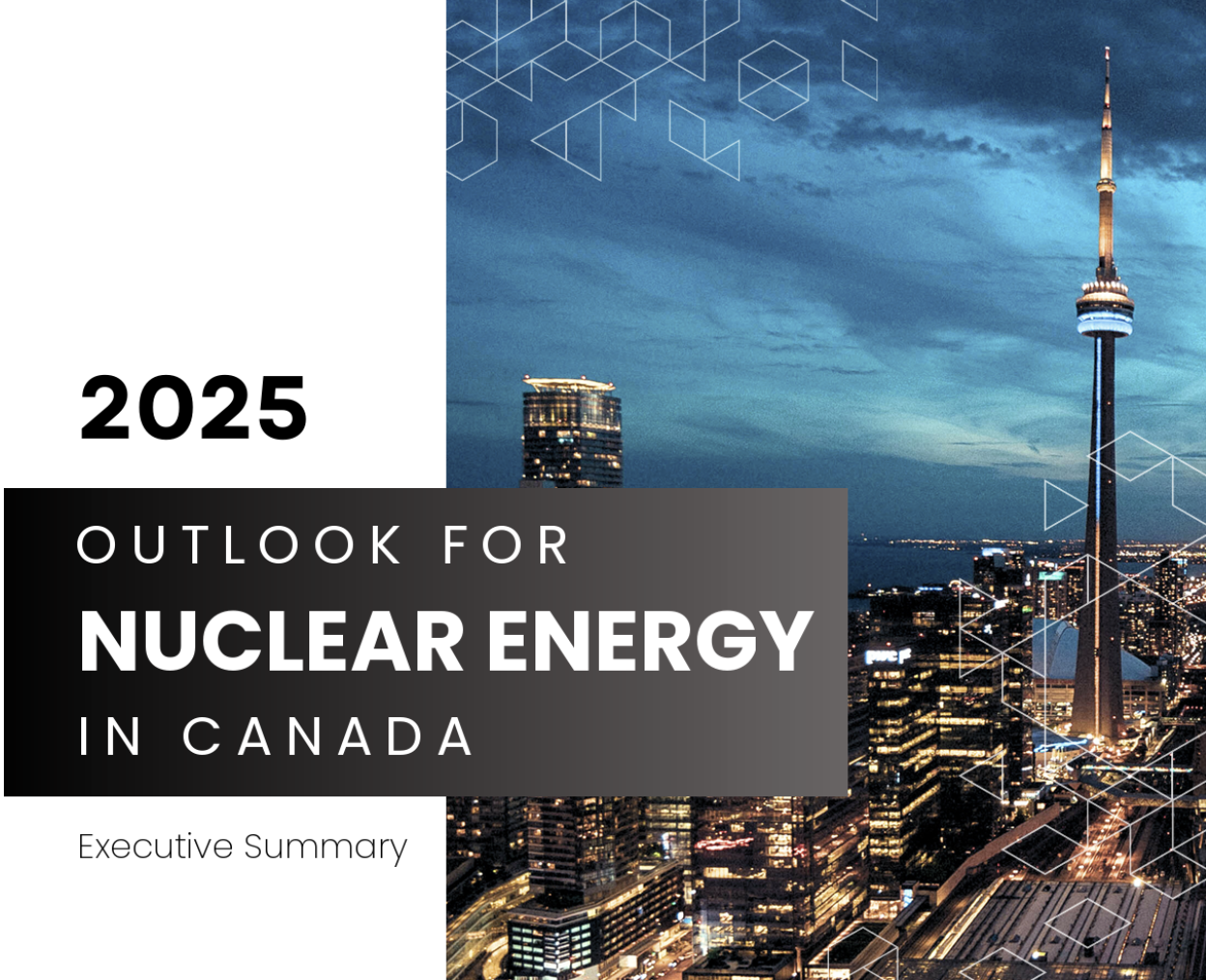
Canada’s nuclear industry is fueling more than just electricity - it’s powering economic growth, creating tens of thousands of high-quality jobs and positioning the country to meet its ambitious climate targets. The latest Nuclear Economic Numbers Report from the Canadian Nuclear Association (CNA) shows the impressive momentum the sector has gained in just five years.
Job Growth Across Canada
As of 2024, Canada’s nuclear industry supports 89,000 jobs, up 17% from 2019, with workforce growth expected to rise another 20% in the next three years. These positions span direct, indirect and induced employment, ranging from engineers and project managers to skilled trades like electricians, welders, pipefitters and millwrights.
Notably, 44% of these jobs are held by workers aged 40 or younger - a sign the sector is attracting new talent.
This positive trend is attributed to several factors, including the successful execution of nuclear plant refurbishment projects and a growing recognition of nuclear energy’s pivotal role in achieving a net-zero future and bolstering Canada’s energy security.
“This isn’t just job growth, it’s opportunity growth,” says George Christidis, CNA President and CEO. “These 89,000 positions represent stable, well-paying careers in communities right across Canada, many of them in regions where nuclear is a cornerstone employer. As we expand our clean energy capacity, we’re going to need thousands more skilled workers, from tradespeople to scientists, to keep the lights on and emissions down.”
A $22 Billion Boost to Canada’s GDP
The report shows the nuclear industry now contributes $22 billion annually to Canada’s GDP - an increase of 30% over the past five years. This growth is driven by both rising employment and higher economic output across the full nuclear lifecycle, from uranium mining and plant operations to decommissioning and waste management.
“Nuclear’s value goes far beyond the electricity it produces - it’s an economic engine,” notes Christidis. “When we invest in nuclear, we’re investing in Canadian supply chains, in advanced manufacturing, in research and development, and in the communities that benefit from this $22 billion yearly boost to our GDP.”
Clean Power for Climate Goals
Canada’s 19 operating reactors - 18 in Ontario and one in New Brunswick - provide 15% of the country’s electricity, all without producing greenhouse gas emissions during operation. Nuclear energy’s reliability makes it a critical partner to renewable sources like wind and solar, supporting the grid when weather conditions fluctuate.
“As we work toward net-zero, nuclear will remain an essential part of Canada’s clean energy mix,” Christidis says. “It’s the only large-scale, clean energy source that can run 24/7, in any weather, for decades. Nuclear gives us the foundation to integrate more renewables without sacrificing energy security or affordability.”
Canada’s nuclear expertise is recognized globally. The country pioneered the CANDU reactor - exported to six nations - and remains a leader in nuclear research, medical isotopes and advanced reactor technology.
Building a Diverse, Inclusive Workforce
The industry is also making strides in diversity. Women now make up 21% of the workforce, up five percentage points since 2019. Indigenous representation has grown from 3% to 4% overall, with more than 50% in Saskatchewan’s uranium mining sector. Through initiatives like the Equal by 30 campaign, the sector is committed to equal pay, leadership and opportunity by 2030.
“Diversity isn’t just a value - it’s a competitive advantage,” Christidis notes. “When we bring in different perspectives and talents, we innovate better, solve problems faster and ensure that the benefits of nuclear are shared widely across Canadian society.”
Looking Ahead
With new projects already in progress, the industry is gearing up for sustained growth. Companies have expanded their workforces by more than 10% in the past year alone and are planning further increases.
“Our future is bright, but we can’t take it for granted,” Christidis concludes. “We need to keep building the skilled workforce, the supply chain capacity and the public trust that will allow nuclear to keep delivering - on our climate goals, on our economic potential and on the promise of a cleaner, stronger Canada.”
Read the full Nuclear Economic Numbers Report from the Canadian Nuclear Association (CNA).