

May 14, 2026

As Canada faces rising electricity demand, increasing pressure to reduce emissions and a growing need for long-term energy security, the country’s nuclear industry is stepping into a defining moment.
That momentum was on full display at the Canadian Nuclear Association’s 2026 Conference - Power and Purpose - bringing together leaders, innovators, Indigenous representatives, policymakers and industry experts from across the country to explore the future of nuclear energy in Canada.
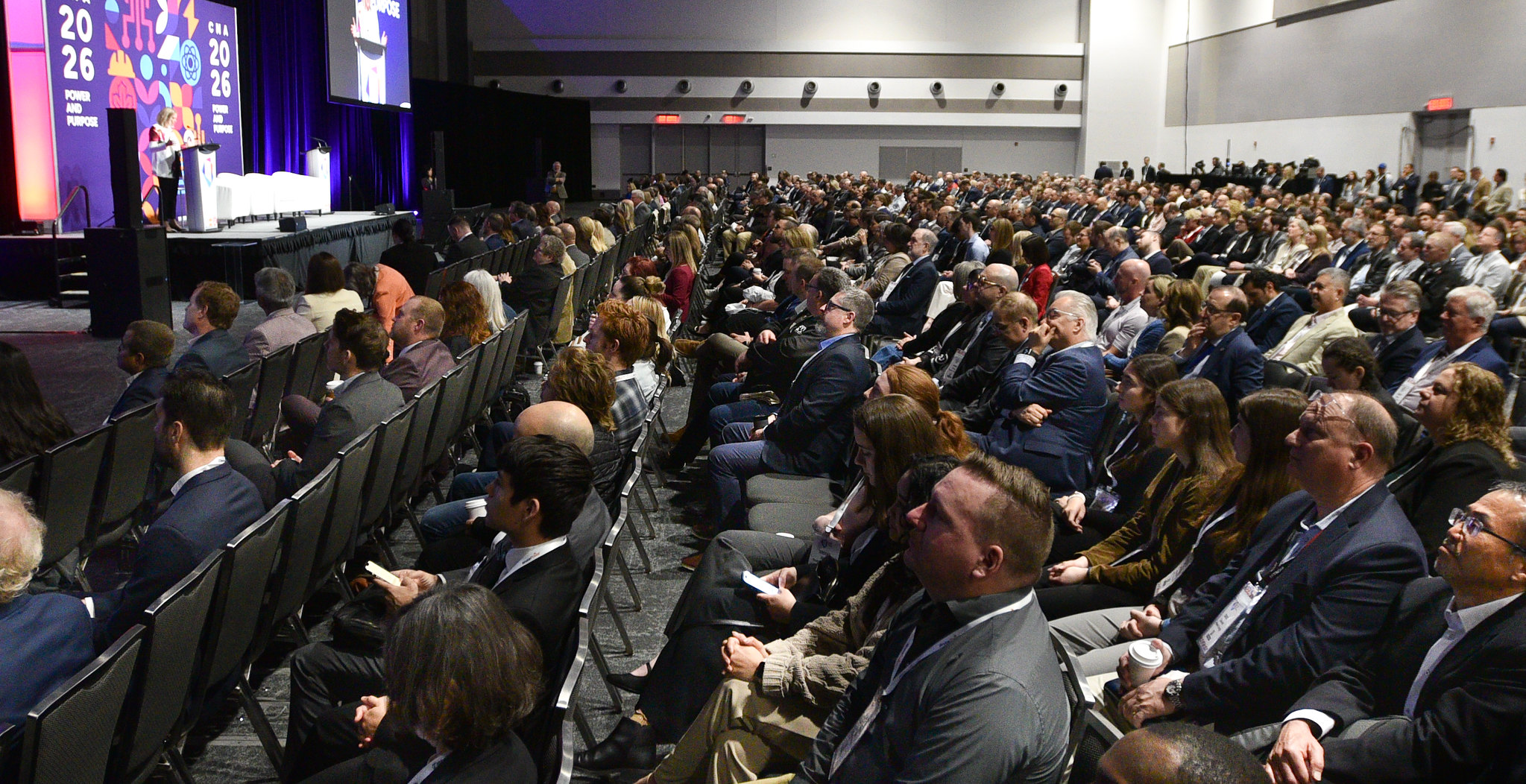
The theme reflects more than just electricity generation. It speaks to the broader role nuclear energy plays in supporting reliable power systems, strengthening local economies, advancing medical innovation and building resilient communities for generations to come.
Nuclear energy continues to stand apart as one of the few scalable energy sources capable of delivering large amounts of reliable, clean electricity around the clock.
But CNA2026 was not only focused on technology.
The conference also highlighted the purpose behind nuclear development - supporting prosperity, creating long-term jobs, strengthening supply chains and contributing to environmental stewardship. Canada’s nuclear sector also plays a globally significant role in the production of medical isotopes used in advanced diagnostics and cancer treatments, helping improve and save lives around the world.
One of the featured discussions at this year’s conference examined the emerging role of nuclear energy in Western Canada through the lens of the Peace River Nuclear Power Project.
The panel explored the realities of advancing first-of-a-kind nuclear projects in regions without existing nuclear facilities or long-established nuclear industries.
The session featured Scott Henuset, President and CEO of Energy Alberta, alongside Tracy Primeau, Founder of Agile Bear Consulting, with moderation by Ted Gruetzner from Global Public Affairs.
The discussion centred on the human, governance and policy dimensions that shape public confidence and long-term project success. They examined how communities, governments and industry can work together to build durable trust through transparent processes, respectful Indigenous engagement and meaningful dialogue. Using the Peace River Nuclear Power Project as a case study, the panel explored how regional priorities, federal oversight and evolving provincial frameworks intersect as nuclear projects move forward.
As Canada’s energy future evolves, conferences like CNA2026 create important opportunities for collaboration and knowledge-sharing across sectors and regions.
The conversations taking place reflect an industry increasingly focused not only on powering the grid, but on supporting communities, strengthening economies and helping shape a more resilient future for Canadians.