December 5, 2025
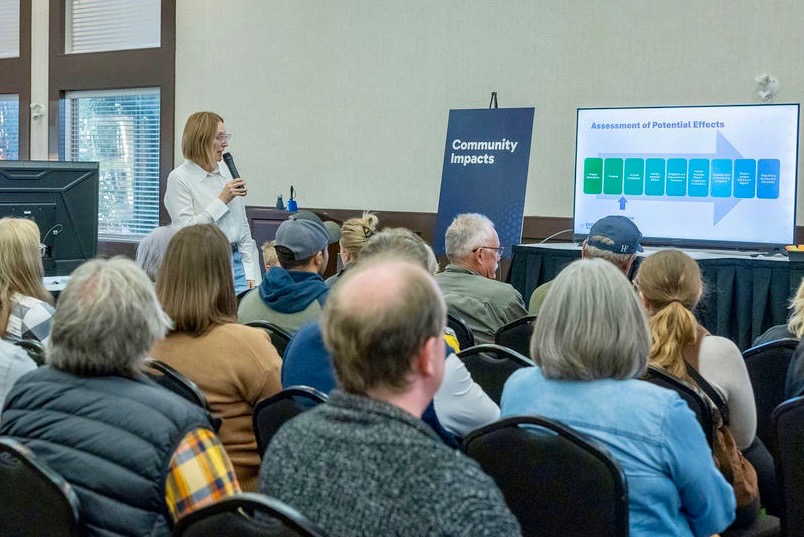
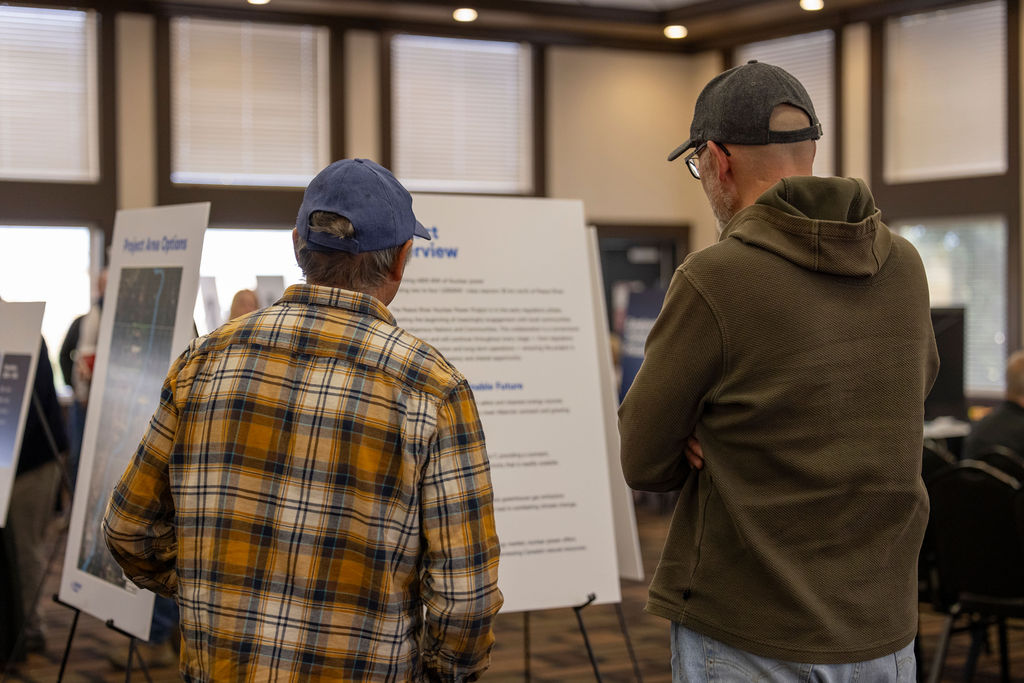
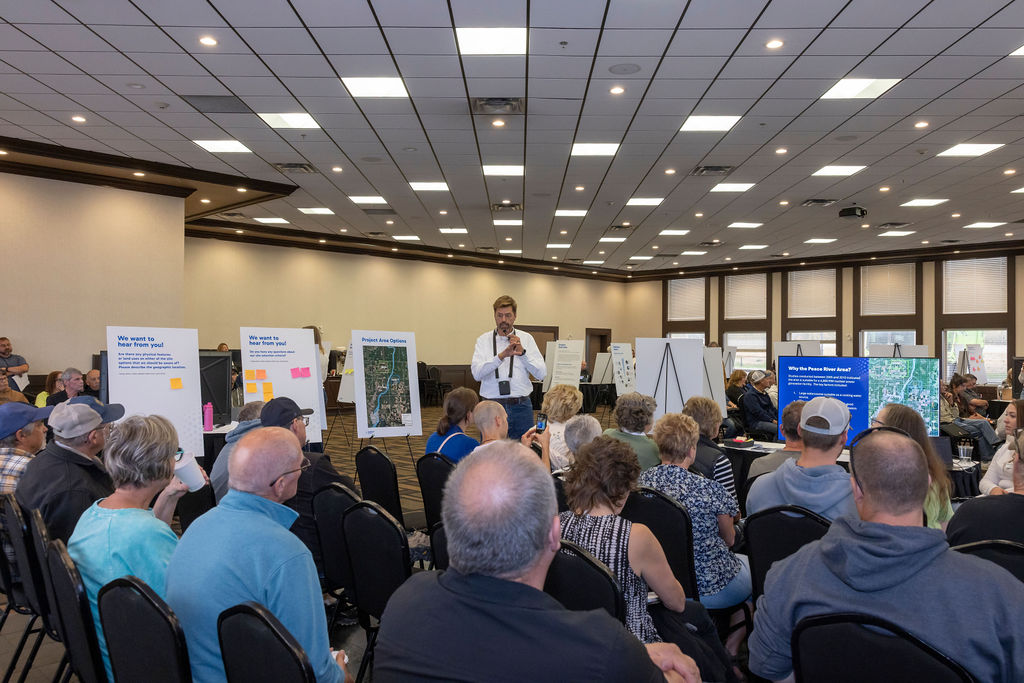
This September, Energy Alberta met with communities across the Peace Region, hosting four engagement sessions in Peace River, Weberville, Grimshaw and Manning. More than 250 residents, business owners and community leaders joined us throughout the week to learn about the proposed Peace River Nuclear Power Project and to share their interests, questions, and concerns.
Each session featured presentations from subject matter experts on Nuclear Fundamentals & Safety, Siting, Community Impacts, Environmental Effects, and Jobs, Procurement & Training, followed by open discussions and Q&A opportunities where participants could ask questions directly. To ensure all voices were heard, attendees were also invited to share comments, concerns and ideas on written discussion boards, providing multiple ways to participate and shape the conversation.
This feedback is already helping to shape the next steps of the Project.
How the feedback will be used:
The perspectives and insights shared are helping inform the final Tailored Impact Statement Guidelines (TISG’s) - the next step in the federal regulatory process which outlines the areas of study that Energy Alberta must undertake to inform our Impact Statement. Energy Alberta will be sharing this community input with the Impact Assessment Agency of Canada (IAAC) to ensure the Project’s guidelines reflect the issues that matter most to the Peace Region. From environmental questions to infrastructure needs, your feedback is directly influencing how the Project moves forward.
What We Heard: Community Priorities
.jpg)
Below is a summary of what we heard across the major themes.
Nuclear Fundamentals & Safety
Across all sessions, participants expressed a desire for clear, accessible information about how modern reactors operate. Residents want to better understand the integrated and passive safety systems, radiation monitoring, waste storage and transport, and how Canada’s regulatory system ensures transparent oversight.
People also asked about how nuclear facilities perform in cold climates, how modern technology has improved, and what long-term stewardship looks like. Above all, residents want confidence that safety and transparency will guide every step of the Project’s lifecycle.
Siting
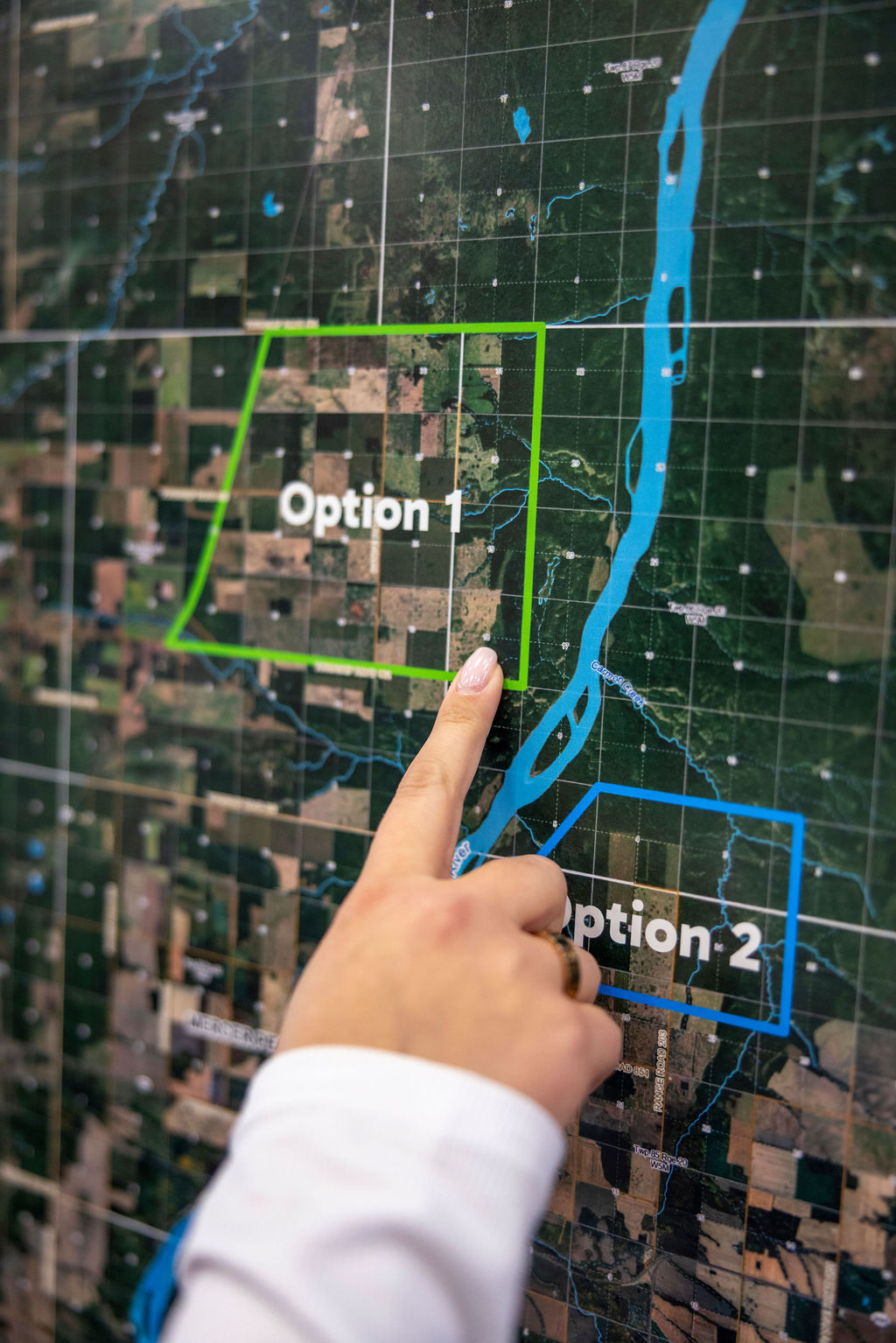
Residents want clear and transparent information around why the potential sites were chosen and how environmental, social and technical factors will be assessed. Key questions included seismic conditions, groundwater pathways, riverbank stability, and proximity to agriculture, homes and wildlife habitat.
Participants emphasized that siting decisions must reflect community values, Indigenous land use and knowledge, and the highest standards of safety and environmental protection.
Community Impacts
Residents care deeply about the Peace Region and emphasized the need to maintain the local quality of life that makes the Peace Region special.. Participants underscored the importance of planning for housing, school capacity, healthcare, transportation and community safety if this major project moves ahead.
Participants shared that communities are already managing shortages of doctors, teachers, tradespeople, and rental housing, and are concerned that rapid growth could stretch local services too thin.
At the same time, many see opportunities for renewed vitality, improved services and stronger economic resilience — but only if growth is managed thoughtfully and in partnership with local government and community leaders.
Environment
Protecting the Peace River and surrounding ecosystems emerged as one of the most consistent themes. Residents highlighted the importance of understanding long-term water availability, the cumulative impacts of upstream dams and how water withdrawal, discharge, and evaporation could affect river levels, temperature, fog and local weather.
Participants also highlighted the importance of safeguarding wetlands, fens, groundwater, wildlife habitat and migration corridors. Many stressed that climate change considerations - drought, wildfire smoke, shifting winds, and extreme weather - must be fully integrated into the environmental assessment. There is strong interest in transparent, real-time environmental monitoring and in ensuring local and Indigenous knowledge factor into environmental assessment and mitigation measures.
Jobs & Procurement
There is strong interest in ensuring the economic benefits of this Project stay in the region. Participants emphasized the need for local hiring and procurement and early communication about contracting opportunities.
Communities want investments in training, scholarships and partnerships with local and regional educational institutions, Indigenous training organizations and local school boards.
There is also a clear desire to prepare local workers well in advance of construction and to avoid a workforce model that relies heavily on fly-in/fly-out labour. People want to see stable, long-term careers that help keep families in the region.
What to expect moving forward
Our work will continue to be guided by community conversations. As we move forward, Energy Alberta remains committed to ongoing communication, transparency and collaboration with Indigenous Nations, municipal leaders, local businesses and service providers, educational institutions and residents across the Peace Region.
We look forward to continuing these discussions in the months ahead.
View the presentations from the September events:
Learn more about how community feedback is helping shape the Project every step of the way.
.jpg)