

March 20, 2026
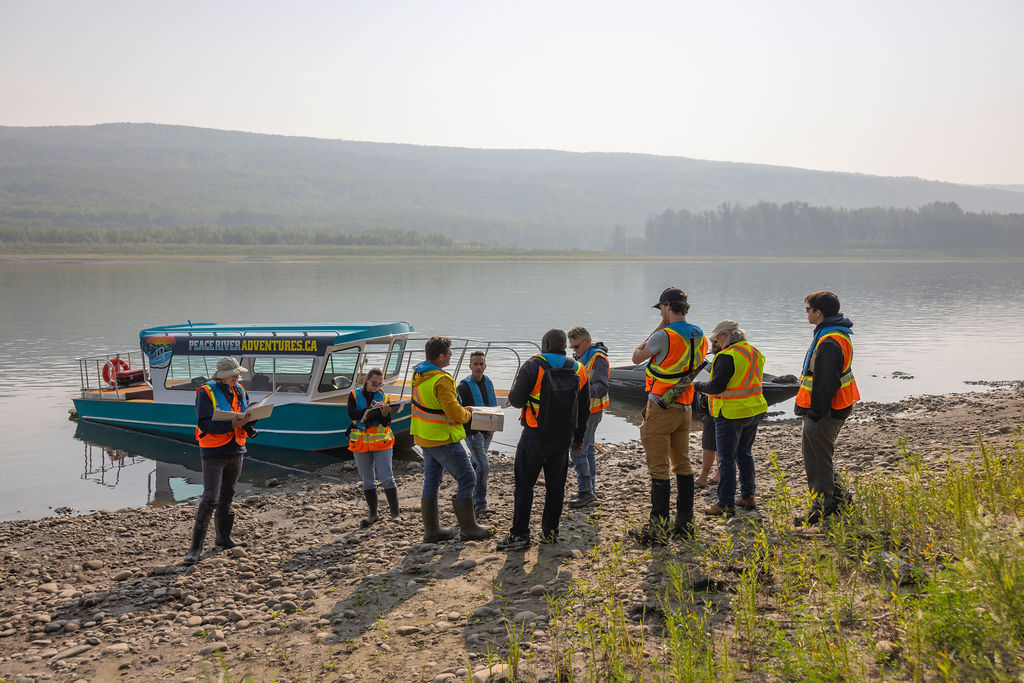
Water is one of our most important natural resources - and protecting it is central to how Energy Alberta is approaching the proposed Peace River Nuclear Power Project.
From early planning through to operations, careful water management will be built into every step, with a clear focus on safeguarding the Peace River watershed and the communities and ecosystems that depend on it.
A Responsible Approach to Water Use
The Project is being designed to use water responsibly. Water from the Peace River would support cooling and other essential processes required for safe operations. Advanced cooling technology will significantly reduce how much water is needed overall.
The expected volume of water required for each 1000 MW operating reactor and turbine unit when producing power, is estimated to be between 1.03 and 1.35 cubic metres per second. Even with four units operating, the facility’s peak requirements would use only about 0.2% of the river’s average annual flow - a small fraction of a large and dynamic water system.
Just as important as how much water is used is how it is managed.
No Heated Water Returned to the Peace River
A key feature of the Project is that no heated water would be discharged back into the Peace River. Instead, the facility is considering the use of a mechanical draft cooling system - a proven technology that removes heat by transferring it to the air.
In this process, water circulates through cooling towers, where a portion evaporates and the heat is released as steam. This approach reduces the facility’s water requirements, and avoids returning warm water to the river, helping protect aquatic habitats and water quality.
Safe, Closed-Loop Systems
Inside the plant, water systems are carefully designed to remain separate and secure. Heat from the reactor is transferred through sealed systems to produce steam, which drives turbines to generate electricity. That steam is then cooled back into water and reused.
At no point does the water from the reactor mix with the water system used to create electricity. The facility design will ensure that water used in power generation is properly managed. This closed-loop design is a cornerstone of nuclear safety and environmental protection.
Built for Reliability and Environmental Protection
To ensure reliable operations in all conditions, the Project would include infrastructure such as water intake systems, pipelines and fresh water storage ponds. These storage ponds will allow the facility to continue operating even during periods of low river flow or ice conditions - without placing additional stress on the river.
At the same time, comprehensive environmental monitoring and management programs would be in place to track and protect the surrounding ecosystem. These programs are designed to safeguard fish, wildlife, water quality and the broader health of the watershed over the long term.
Strong Oversight and Accountability
Water use in Alberta is strictly regulated. The project will require a licence under the provincial Water Act, which sets clear conditions on how much water can be used, when it can be withdrawn and how it must be managed.
In addition, federal and provincial regulators require rigorous environmental assessments, ongoing monitoring and mitigation measures to ensure water resources are protected.
Supporting a Sustainable Energy Future
Reliable, around-the-clock electricity is essential for Alberta’s future - and it must be delivered responsibly. Nuclear energy provides stable, low-emissions power while operating within some of the most stringent environmental standards in the world.
For Energy Alberta, protecting water isn’t just a requirement - it’s a responsibility. By combining proven technology, strong regulation and careful planning, the proposed Peace River Nuclear Power Project is designed to support both energy needs and the long-term health of the Peace River watershed.