Protecting people, communities, water, land and the environment is at the core of Energy Alberta’s approach to the Peace River Nuclear Power Project.
Canada has been a global leader in nuclear safety for decades, with rigorous oversight from the Canadian Nuclear Safety Commission (CNSC) and international organizations, such as the International Atomic Energy Agency. From Project planning through to operations and decommissioning, nuclear facilities in Canada are designed, regulated and monitored to meet some of the highest safety and environmental standards in the world, with multiple layers of protection built into every stage of the Project.
.jpg)
The safety of workers and nearby communities will be our utmost priority. Canadian nuclear power plants are equipped with robust, independent control systems that ensure safety at all stages of operation. In addition, other systems are designed to perform three fundamental safety functions:
Thick concrete walls isolate radioactive materials inside the reactor. In the unlikely event of an incident, these structures prevent radiation from spreading.
Materials such as water, concrete and lead absorb radiation, ensuring the safety of both workers and the surrounding environment.
Radiation levels are continuously monitored both inside and outside the plant. This ensures that radiation exposure remains within the strictest safety limits.
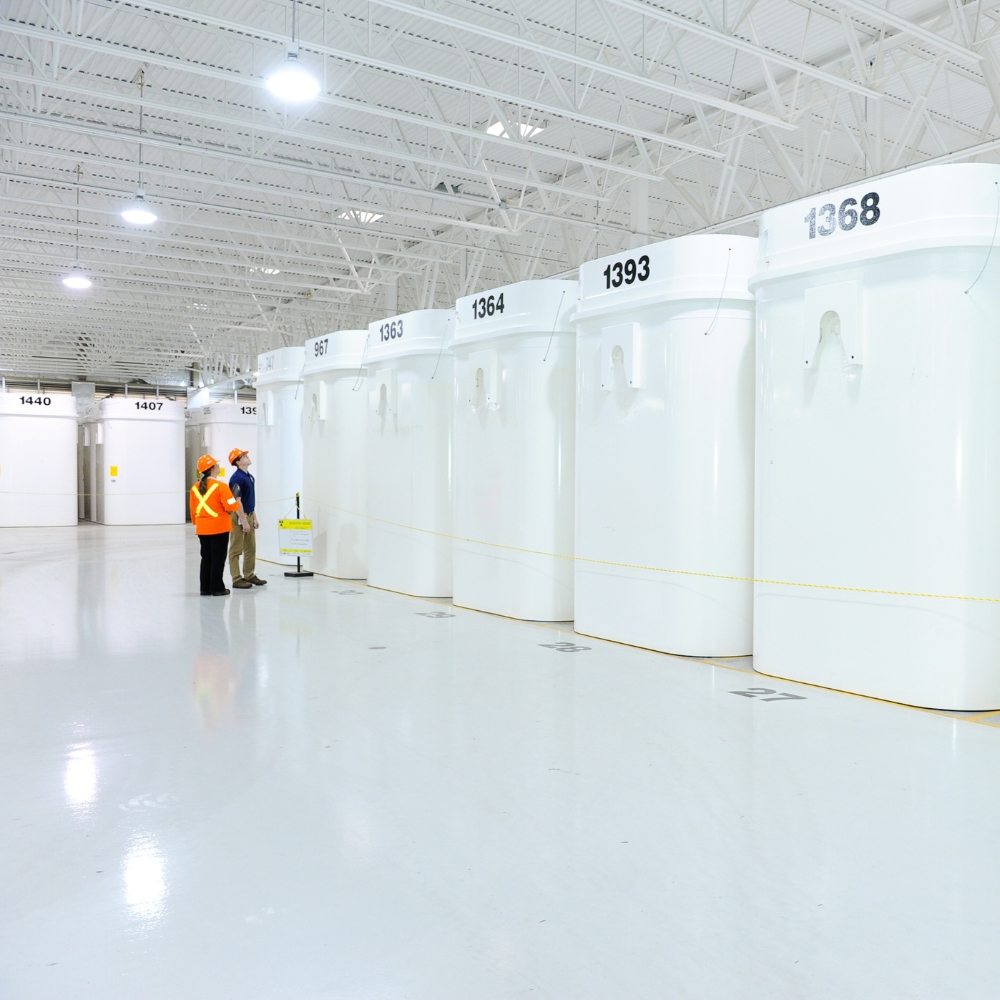
Radiation is a natural part of everyday life, and people are regularly exposed to naturally occurring radioactive elements found in the environment. Radiation levels from operating nuclear power plants are extremely low and carefully controlled through advanced safety systems, continuous monitoring and highly efficient filtration technology designed to remove more than 99% of radiation from air emissions before release. In fact, a person living near a nuclear facility is potentially exposed to radiation at a dose at least 1,000 times lower than natural background radiation levels, while nuclear workers are typically exposed to less radiation than the average person receives from a single medical X-ray.
Learn more about radiation safetyCanada’s nuclear facilities are the most protected critical infrastructure in Canada. Nuclear security is regulated by the CNSC, which sets out detailed security requirements designed to safeguard nuclear facilities against threats, including cyber security, and ensure that nuclear material stays in the right hands. Though security measures have been developed over time in response to potential threats, a breach of the physical, personnel or information security of Canadian nuclear facilities has never happened.

%20(1500%20x%201200%20px).png)
No industry is immune from accidents, but all industries learn from them. With nuclear power, the potential hazards have been factored into the design of nuclear power plants in order to protect the public, the environment and workers. Modern-day facilities contain numerous safety improvements based on operational experience. In addition to engineering and procedures which significantly reduce the risk and severity of incidents, all plants have guidelines for accident management and mitigation.
Although nuclear accidents are very rare, it is still important to prepare should one occur. The CNSC mandates that all major nuclear facilities maintain comprehensive emergency preparedness programs, including dedicated response facilities, specialized equipment and trained personnel.
The CNSC requires all nuclear facilities to conduct regular tests of their emergency management systems and response organizations. In the unlikely event of an incident, facility staff along with trained and enabled emergency response personnel are prepared to respond quickly, safely and effectively in line with the strict planning, training and testing programs governed by the CNSC. CNSC staff with extensive experience and expertise in nuclear emergency response, would oversee the response to ensure that appropriate actions are taken to limit the risk to health, safety, security and the environment.
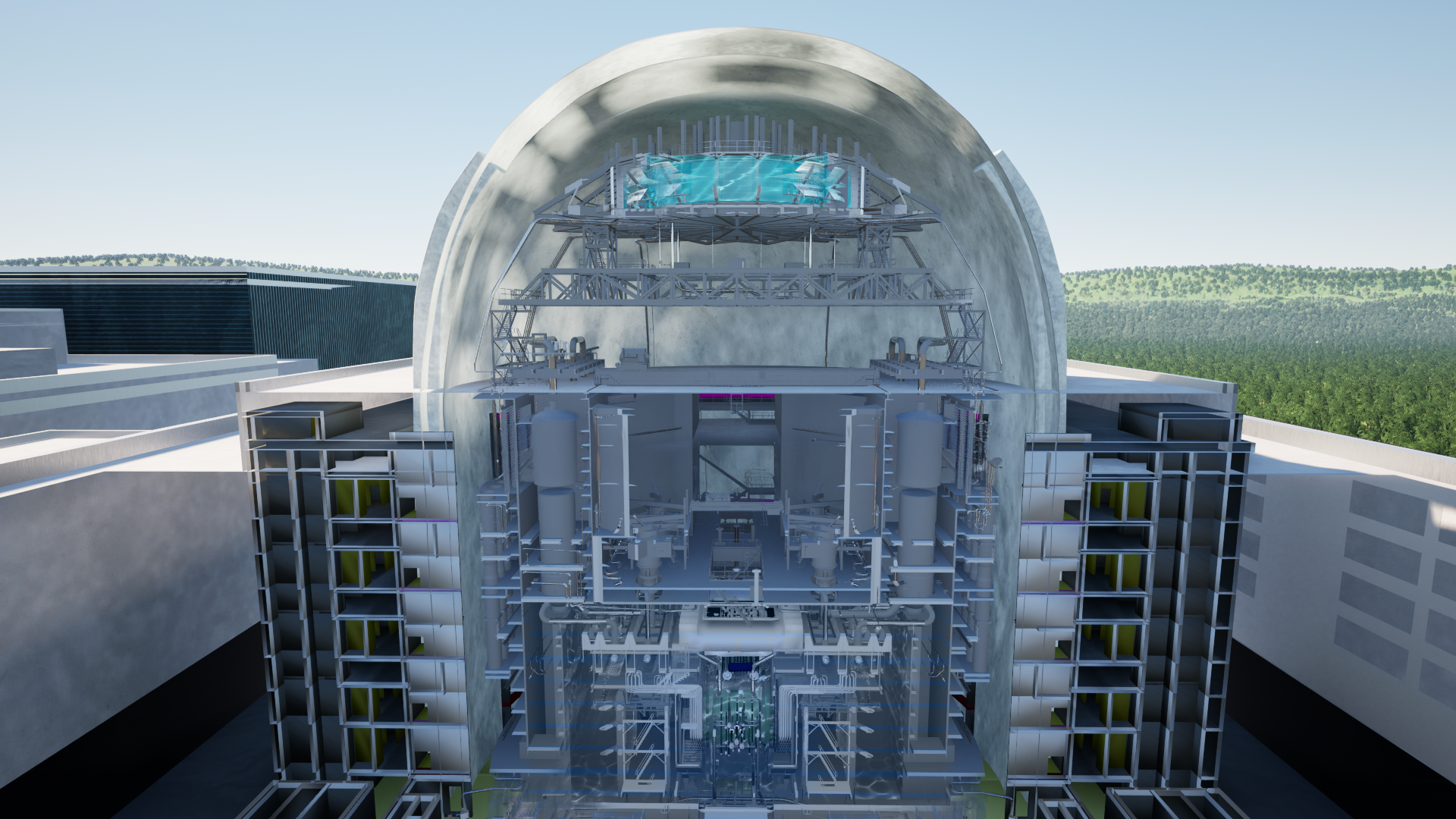
Energy Alberta is considering two advanced, Canadian-owned nuclear reactor technologies: Atkins Réalis’ CANDU® and Westinghouse’s AP1000®.
Learn more about the technology and the science behind nuclearOur news and updates section is your go-to source for the latest happenings, announcements and stories about Energy Alberta. Explore how we’re working to transform energy production in the province.

“If you want to build trust, you have to start by understanding the community - its history, its culture, its connection to the land and what matters to the people who call it home.” - Gaylene Whitehead
.jpg)
“Ultimately, the Peace Region has a strong foundation, and there are a number of potential economic opportunities ahead. Our role as a local media business is to continue informing the community as those opportunities, projects and decisions develop.” - Lindsay Parenteau and Jonathan Babiy
.png)
Every successful project starts with people. Long before construction plans take shape, there are conversations to have, communities to connect with, information to gather and early work to be done. As Energy Alberta advances the Peace River Nuclear Power Project, people and businesses across the Peace Region are helping make that work possible. Together, we’re building a foundation of opportunities for individuals and businesses interested in working with us.
Subscribe to receive Project updates.
We want to hear from you. Have questions, feedback or want to work with us? We’re here to help.
Get in Touch