Nuclear energy is one of the most rigorously regulated industries in the world, with comprehensive, multi-layered oversight spanning every stage - from project planning and licensing to operations, environmental protection and waste management.
In Canada, this is reinforced by a robust federal framework and international oversight, all designed to protect people, communities and the environment throughout a project’s lifecycle.
The Impact Assessment Agency of Canada (IAAC) currently guides federal impact assessments for major projects in partnership with the Canadian Nuclear Safety Commission. Its role is to review potential environmental, health, social and economic effects, while also upholding the rights of Indigenous Peoples and supporting public participation.
View the Peace River Power Project PageThe Canadian Nuclear Safety Commission (CNSC) is Canada’s independent nuclear regulator and lifecycle regulator for nuclear projects. It is responsible for licensing, safety oversight, compliance and enforcement throughout the full life of a nuclear facility, from site preparation and construction through operations and eventual decommissioning.
Learn more about the CNSCCanada is considering changes to how major projects - including nuclear energy projects like the Peace River Nuclear Power Project - are reviewed and approved.
Learn more about the proposed reforms and what they could mean for the Project
Energy Alberta has assembled a team with extensive nuclear experience and initiated the planning required to advance a nuclear generation project in Canada, including early consultations with government, community leaders and Indigenous groups.
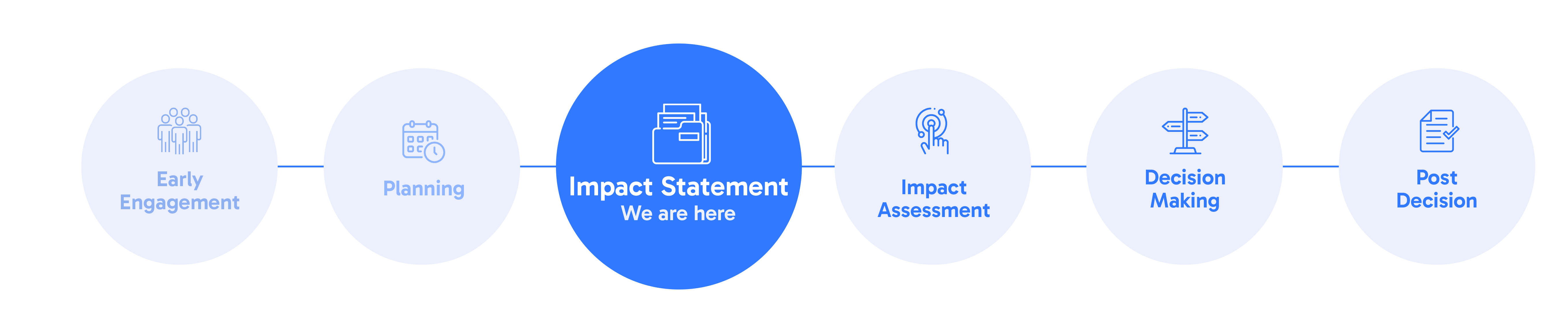
In April 2026, the Peace River Nuclear Power Project advanced to the Impact Statement phase of the regulatory process, which includes detailed studies - guided by federal requirements - to support a comprehensive review of the Project’s potential effects and benefits, alongside continued engagement with Indigenous Nations and Communities and the public.
An Impact Assesment (IA) is a phased planning process spanning over multiple years, involving extensive community and public engagement, as well as comprehensive environmental and socioeconomic studies. Upon completion of the IA process, the federal government determines whether the project is in the public interest and grants approval for it to proceed.
The Nuclear Waste Management Organization, or NWMO, is a not-for-profit organization tasked with the safe, long-term management of Canada’s used nuclear fuel.
In 2024, the NWMO selected a proposed site in northwestern Ontario for Canada’s deep geological repository for nuclear waste. The NWMO has also begun early planning for a second repository, with a site selection process expected to begin around 2028.
Learn more about the plan for safe, long-term management of Canada’s used nuclear fuel.
.jpg)
The Canadian Nuclear Safety Commission is the primary regulator and issues licences across the full lifecycle of a nuclear facility. Each licence involves extensive technical review, public input, Indigenous engagement and ongoing compliance requirements:
Once the federal government issues decisions on both the Impact Assessment and the Licence to Prepare Site application additional Federal and Provincial licences and permits required to construct and operate the Project can be issued. Those could include:
Electricity is only useful if it can be delivered to homes, businesses and industry. That’s where transmission comes in.
In Alberta, transmission lines and connections are planned and approved separately from the power project, with provincial regulators reviewing where new lines are needed, how they’re routed and how they connect to the existing system. This process includes technical studies, environmental considerations and opportunities for public input to ensure power can be delivered safely, reliably and efficiently.
The Alberta Utilities Commission regulates transmission infrastructure and the Alberta Electric System Operator is responsible for planning Alberta’s transmission system.
.png)
.jpeg)
Explore trusted information, tools and resources to learn more about nuclear energy and the Peace River Nuclear Power Project.
Explore the resourcesOur news and updates section is your go-to source for the latest happenings, announcements and stories about Energy Alberta. Explore how we’re working to transform energy production in the province.

“If you want to build trust, you have to start by understanding the community - its history, its culture, its connection to the land and what matters to the people who call it home.” - Gaylene Whitehead
.jpg)
“Ultimately, the Peace Region has a strong foundation, and there are a number of potential economic opportunities ahead. Our role as a local media business is to continue informing the community as those opportunities, projects and decisions develop.” - Lindsay Parenteau and Jonathan Babiy
.png)
Every successful project starts with people. Long before construction plans take shape, there are conversations to have, communities to connect with, information to gather and early work to be done. As Energy Alberta advances the Peace River Nuclear Power Project, people and businesses across the Peace Region are helping make that work possible. Together, we’re building a foundation of opportunities for individuals and businesses interested in working with us.
Subscribe to receive Project updates.
We want to hear from you. Have questions, feedback or want to work with us? We’re here to help.
Get in Touch