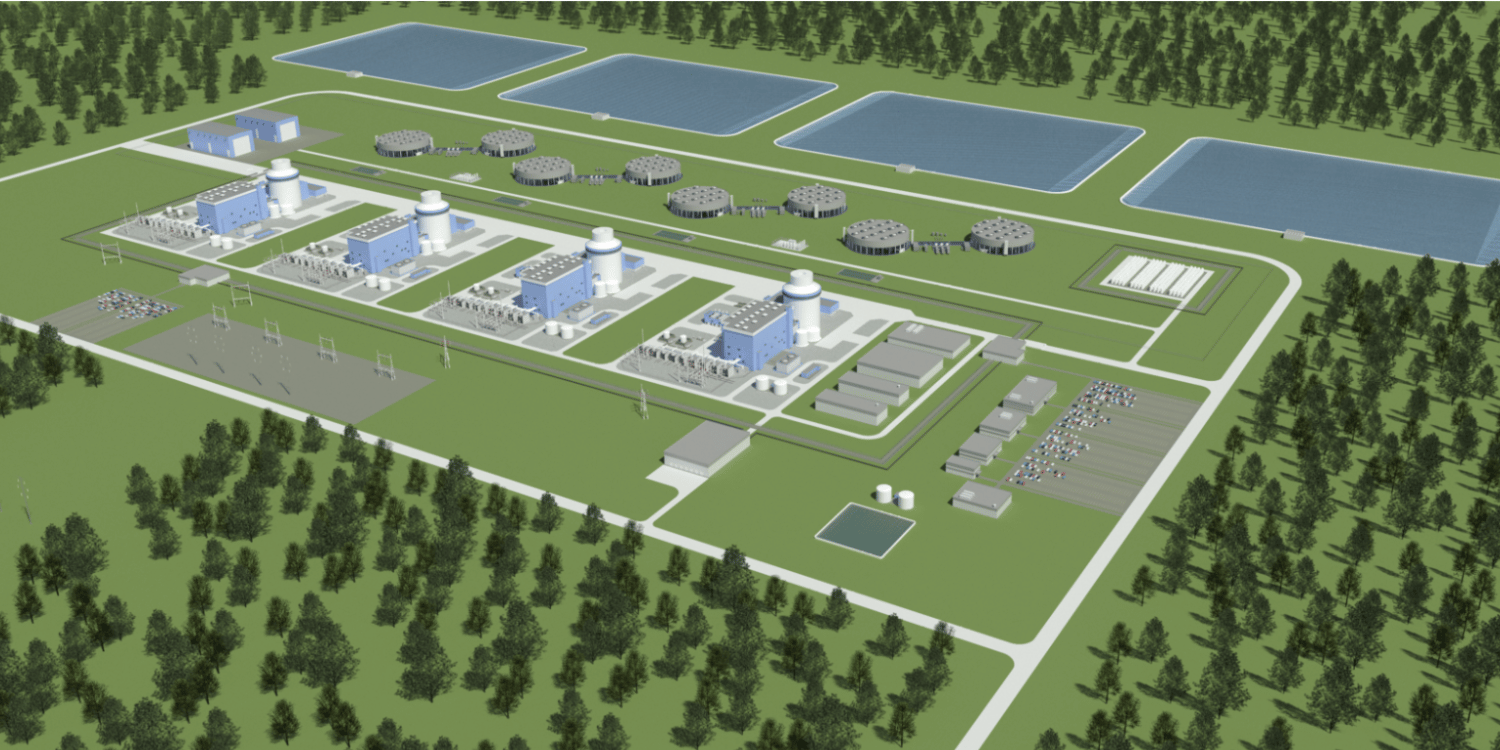
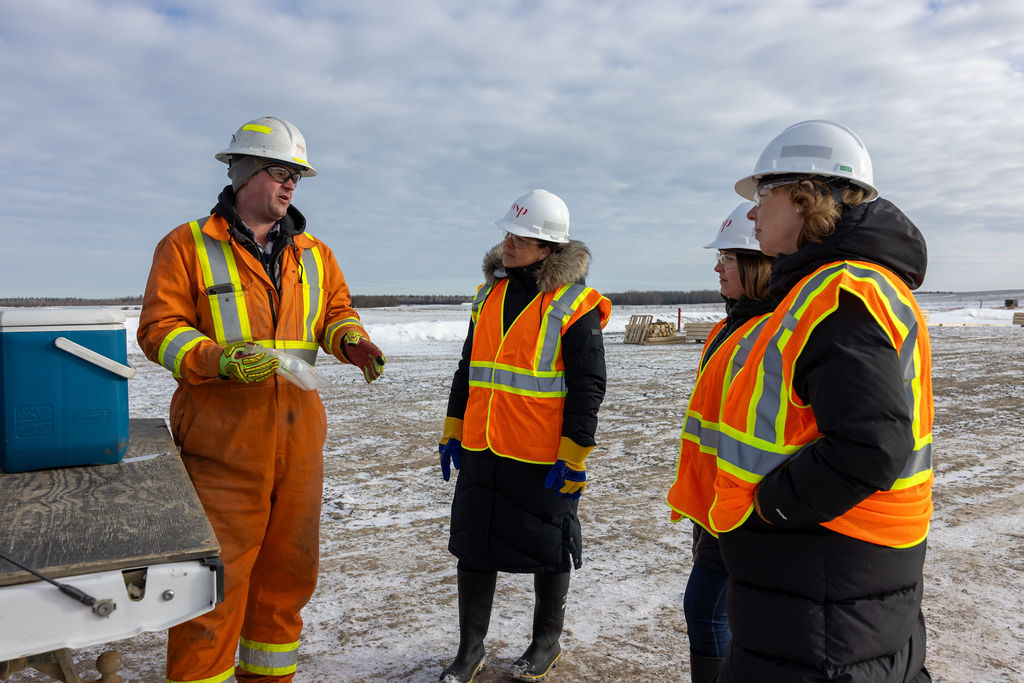
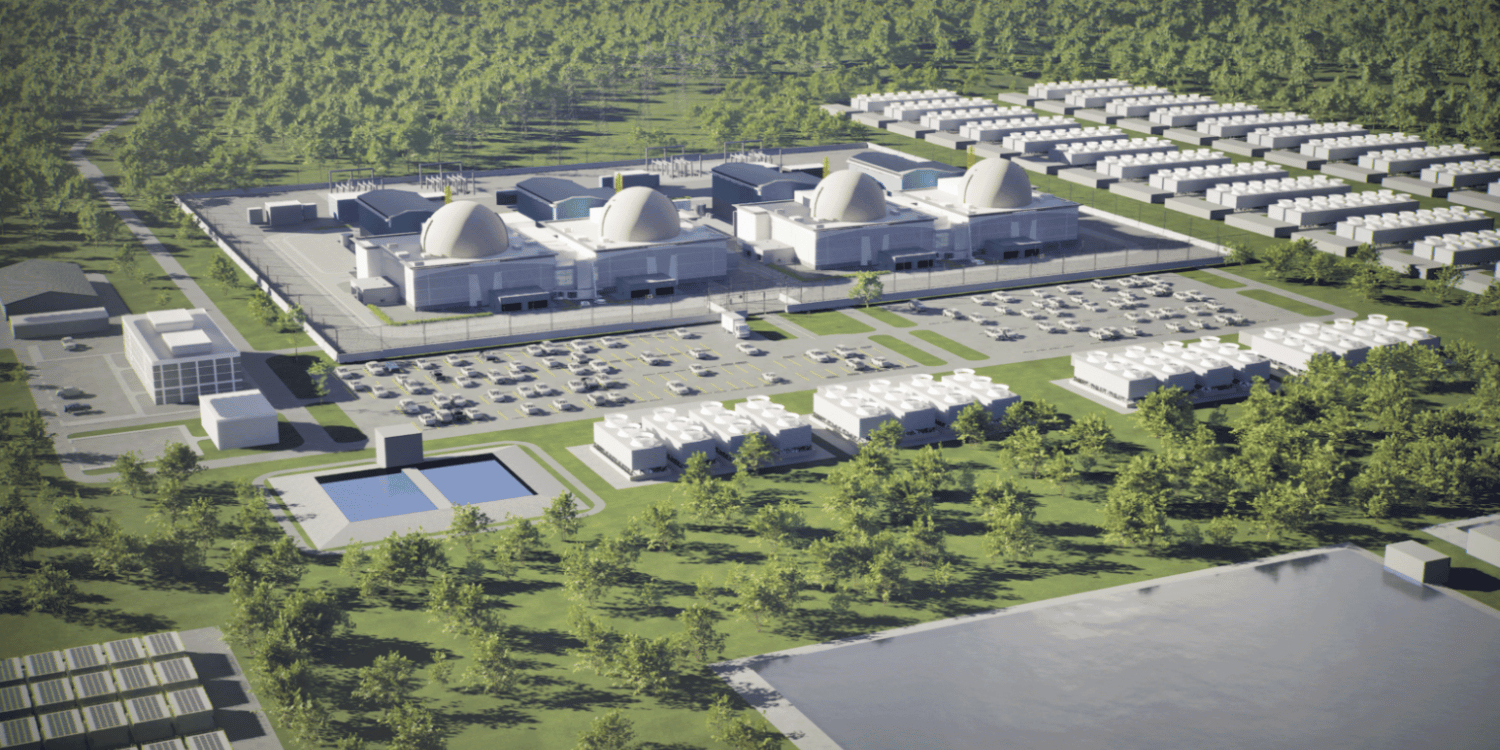
Energy Alberta is considering two advanced, Canadian-owned nuclear reactor technologies: Atkins Réalis’ CANDU® and Westinghouse’s AP1000®.
While there are some differences in the design, the outcome is the same: deliver large-scale, reliable, low-emissions electricity that Alberta can depend on for decades.
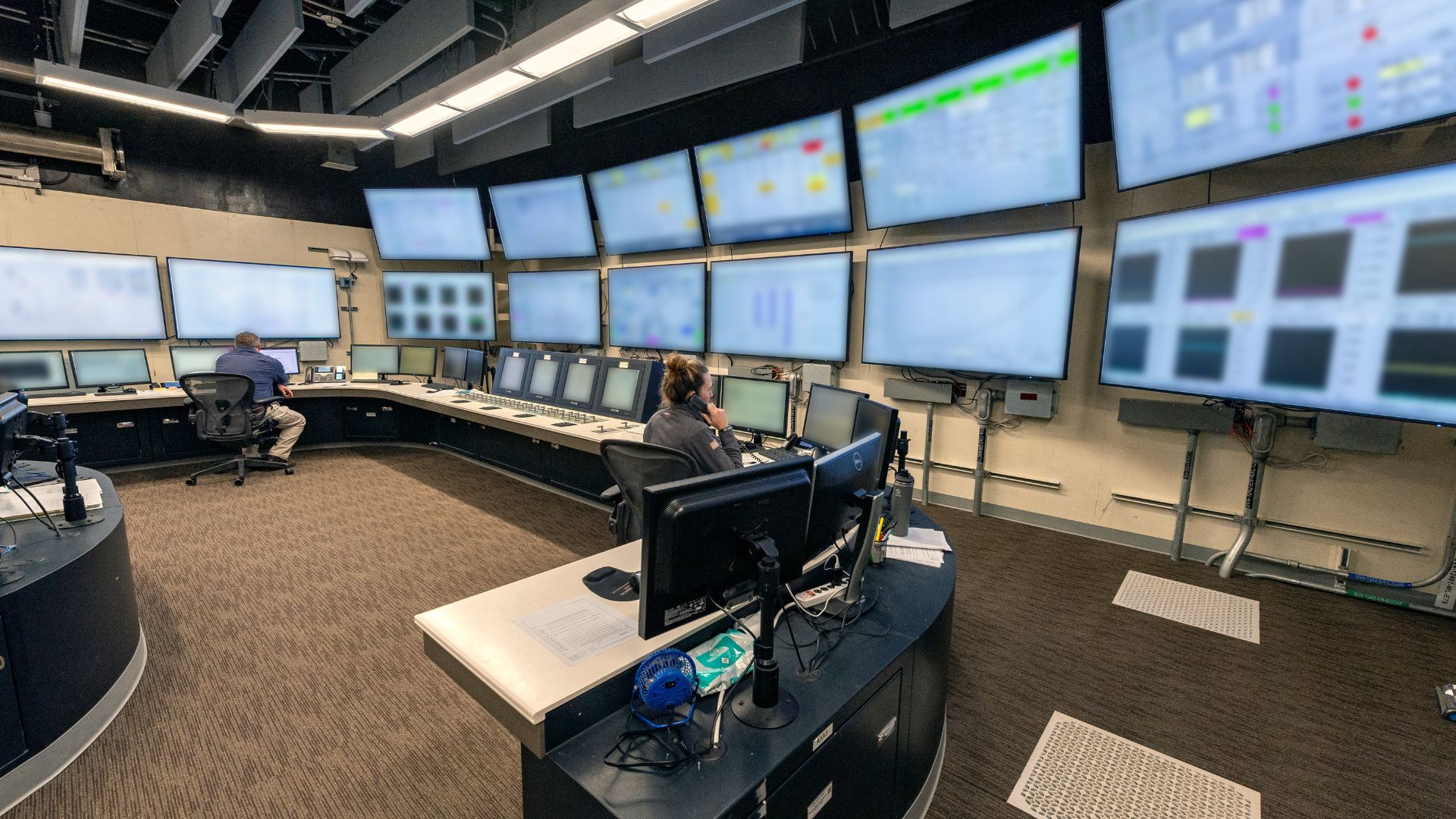
The CANDU® and AP1000® build on decades of operating experience, incorporating proven features from existing plants alongside modern design updates that enhance safety, performance and efficiency, including modular construction, digital controls and advanced monitoring systems to support reliable, long-term operation.
Both options are based on proven technologies designed to meet rigorous Canadian and international safety standards. The final technology selection will be informed by Project‑specific requirements, lifecycle cost assessments, regulatory alignment and long‑term economic value.

CANDU®

Westinghouse AP1000®
The federal impact assessment process for the Project will use a Plant Parameter Envelope (PPE) approach. In simple terms, a PPE is a bounding "envelope" of parameters that define the site and plant characteristics, allowing assessments to begin before a reactor technology is selected.
This approach allows potential environmental, safety and socio-economic effects to be assessed now, rather than waiting for a final reactor selection. It ensures that potential impacts do not exceed what is defined within the PPE. This method has been used in previous nuclear project reviews in Canada and the United States.

Nuclear energy is the energy released from the nucleus (core) of atoms, primarily through a process known as nuclear fission. Fission is a reaction that occurs when atoms of uranium are split into two or more smaller nuclei. The process releases large amounts of energy in the form of heat, which is converted into electricity by creating steam in a nuclear power plant.

The process begins in the reactor, where uranium atoms are split by neutrons. This releases a significant amount of heat.

The heat produced by fission is transferred to a separate system where it is used to turn water into steam.

The steam spins a turbine connected to a generator, which produces electricity.

After passing through the turbine, the steam is cooled and returned to water, which is then heated again to repeat the cycle. The cooling water used in this process is kept separate from the steam cycle and does not come into contact with the reactor core.
All of Canada’s used nuclear fuel is safely managed at licensed storage facilities.

Energy Alberta is deeply committed to protecting the water, air, land and people around our Project. Safety is not just a priority - it is at the core of our values. The use of nuclear power in clean energy production is tightly regulated and monitored to ensure the highest standards of public and environmental safety.
Learn moreOur news and updates section is your go-to source for the latest happenings, announcements and stories about Energy Alberta. Explore how we’re working to transform energy production in the province.

Student internships play an important role in developing the next generation of professionals, providing hands-on experience and a greater understanding of where their education can take them. At Energy Alberta, creating opportunities for students and emerging professionals to learn alongside experienced team members is one way we are helping build the workforce needed for Alberta's clean energy future.
When it comes to nuclear energy, questions are an important part of the conversation. As planning for the Peace River Nuclear Power Project continues, Energy Alberta is committed to providing clear, transparent information about the Project and the role nuclear energy could play in Alberta's future.
.jpg)
There is no better way to get to know a community than by spending time alongside the people who call it home. This spring and summer, the Energy Alberta team has travelled across the Peace Region, attending local events, celebrating community traditions and connecting with residents as planning continues for the Peace River Nuclear Power Project.
Subscribe to receive Project updates.
We want to hear from you. Have questions, feedback or want to work with us? We’re here to help.
Get in Touch