New nuclear means more than new power. It means new careers, new skills and new opportunities.
As Canada builds the electricity infrastructure it needs for the future, it will also need the people to make it possible. A growing nuclear industry will create demand for a wide range of skills, experience and expertise - drawing on today’s workforce while developing the next generation of nuclear talent.
The Peace River Nuclear Power Project could be part of that future, creating opportunities for people and businesses in the Peace Region and across Alberta while building the workforce needed to support Canada’s growing nuclear industry.


The Canadian Nuclear Association (CNA) estimates Canada could need 50 GW of new clean, dependable power by 2050, with nuclear expected to play an important role. Already, approximately 22.3 GW of new nuclear capacity is planned or signalled across Alberta, Saskatchewan, Ontario and New Brunswick, including Energy Alberta’s Peace River Nuclear Power Project.
That growth could create tens of thousands of jobs nationally across skilled trades, engineering, construction, operations, manufacturing and the nuclear supply chain.
Canada's nuclear industry is growing - and demand is expected to accelerate.
People already employed directly and indirectly by Canada’s nuclear sector.
New nuclear capacity currently planned or signalled in Canada.
Estimated new non-emitting baseload power needed by 2050.
Core technical nuclear workers expected to reach retirement age by 2030–2035.
When workforce shortages are expected to begin as nuclear development accelerates.

Alberta is one of Canada’s emerging nuclear jurisdictions - and many of the skills needed to build the next generation of nuclear facilities already exist here.
The Peace River Nuclear Power Project, with up to 4,800 MW of planned generation capacity, is among the projects included in the Canadian Nuclear Association’s national workforce projections. And the opportunity reaches far beyond nuclear-specific roles.
Experience from Alberta’s energy, industrial and construction sectors could translate directly into careers supporting new nuclear development.
Some of Alberta’s most familiar trades and professions could also be among those needed for new nuclear. Canadian Nuclear Association workforce projections for Alberta show potential demand across a wide range of occupations, from skilled trades to engineering and technical roles.
Alberta occupations with significant projected demand:
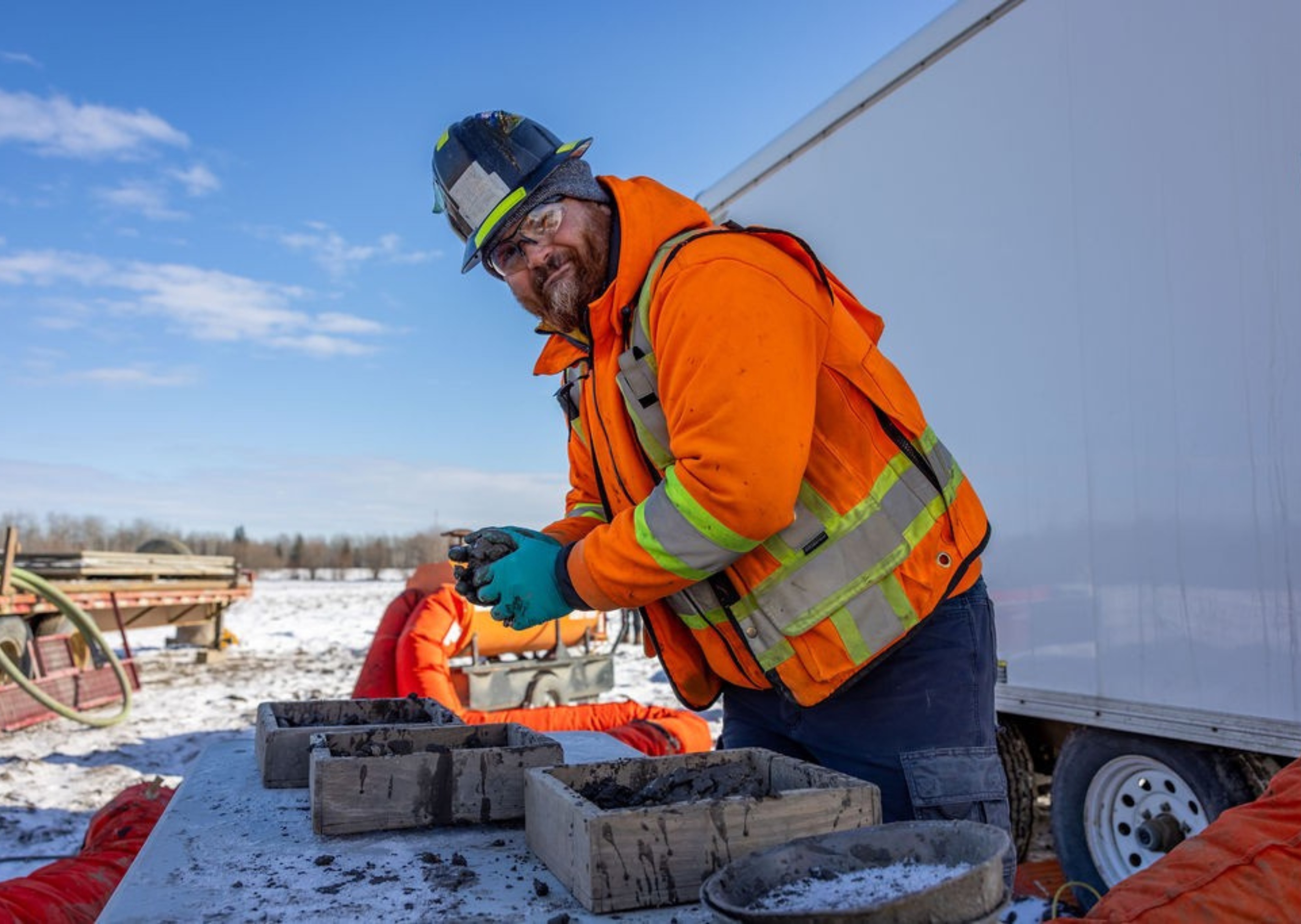
See which occupations are expected to be in demand across Alberta over the next three years and explore where future career opportunities may be growing.
Explore Alberta’s job market forecastNuclear careers aren’t one-size-fits-all. Projects need a diverse workforce throughout their lifecycle, with pathways ranging from apprenticeships and college programs to university degrees and specialized on-the-job training.

The Canadian Nuclear Association’s Careers in Nuclear guide explores in-demand roles and the education, training and skills that can help you get there.
Explore Careers in NuclearThe Peace River Nuclear Power Project is still in the planning and regulatory review stages. As the project moves to the construction phase, major hiring and procurement opportunities would ramp up in future phases.
But preparing the workforce starts long before hiring begins.
Learning about the industry, building transferable skills and understanding future workforce needs can help workers, students and businesses prepare for opportunities as the Project advances.
Energy Alberta has a team focused on helping local workers and businesses understand what may be ahead - and how they can start preparing today.


Building the Peace River Nuclear Power Project would involve people, skills and businesses from across the Peace Region, Alberta and beyond.
From skilled trades and professional services to suppliers and local businesses, a project of this scale could create opportunities across a wide range of sectors and industries.
Our news and updates section is your go-to source for the latest happenings, announcements and stories about Energy Alberta. Explore how we’re working to transform energy production in the province.
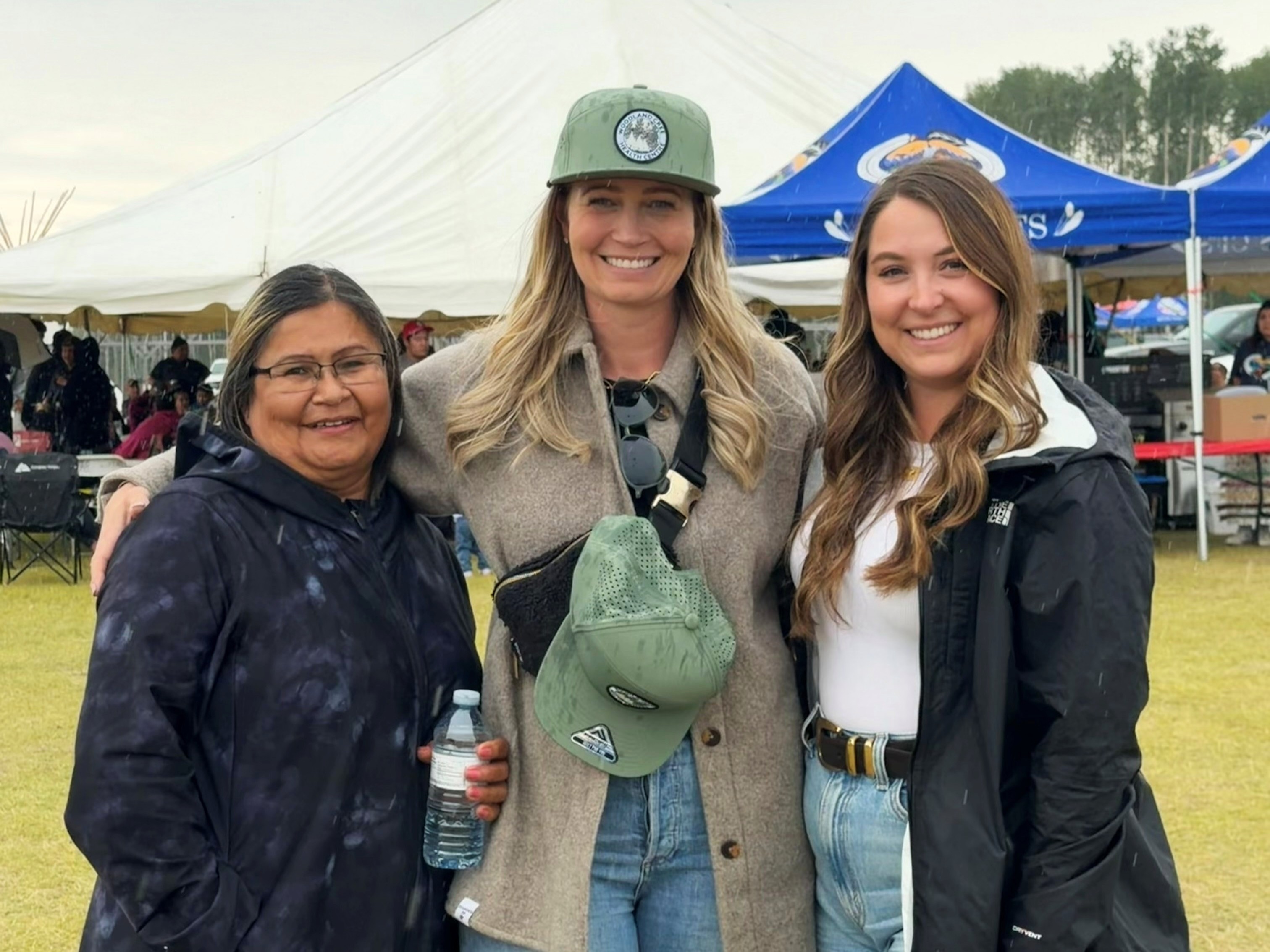
“If you want to build trust, you have to start by understanding the community - its history, its culture, its connection to the land and what matters to the people who call it home.” - Gaylene Whitehead

“Ultimately, the Peace Region has a strong foundation, and there are a number of potential economic opportunities ahead. Our role as a local media business is to continue informing the community as those opportunities, projects and decisions develop.” - Lindsay Parenteau and Jonathan Babiy

Every successful project starts with people. Long before construction plans take shape, there are conversations to have, communities to connect with, information to gather and early work to be done. As Energy Alberta advances the Peace River Nuclear Power Project, people and businesses across the Peace Region are helping make that work possible. Together, we’re building a foundation of opportunities for individuals and businesses interested in working with us.
Subscribe to receive Project updates.
We want to hear from you. Have questions, feedback or want to work with us? We’re here to help.
Get in Touch